Your hair follicles are constantly asking your body for raw materials — iron, protein, zinc, vitamin D — and when those materials run short, hair is often the first place the shortage shows up. Not because hair is fragile, but because your body simply doesn’t consider it a priority.
This article breaks down exactly how nutritional deficiency hair loss happens, which nutrients matter most, how to recognize the signs, and what an evidence-based recovery plan actually looks like.
Why Hair Follicles Need Proper Nutrition
Hair follicles are among the most metabolically active tissues in the human body. Each follicle cycles through phases of rapid cell division to produce keratin, the structural protein that makes up the hair shaft. That process demands a steady supply of oxygen, protein building blocks, and micronutrients like iron, zinc, and vitamin D.
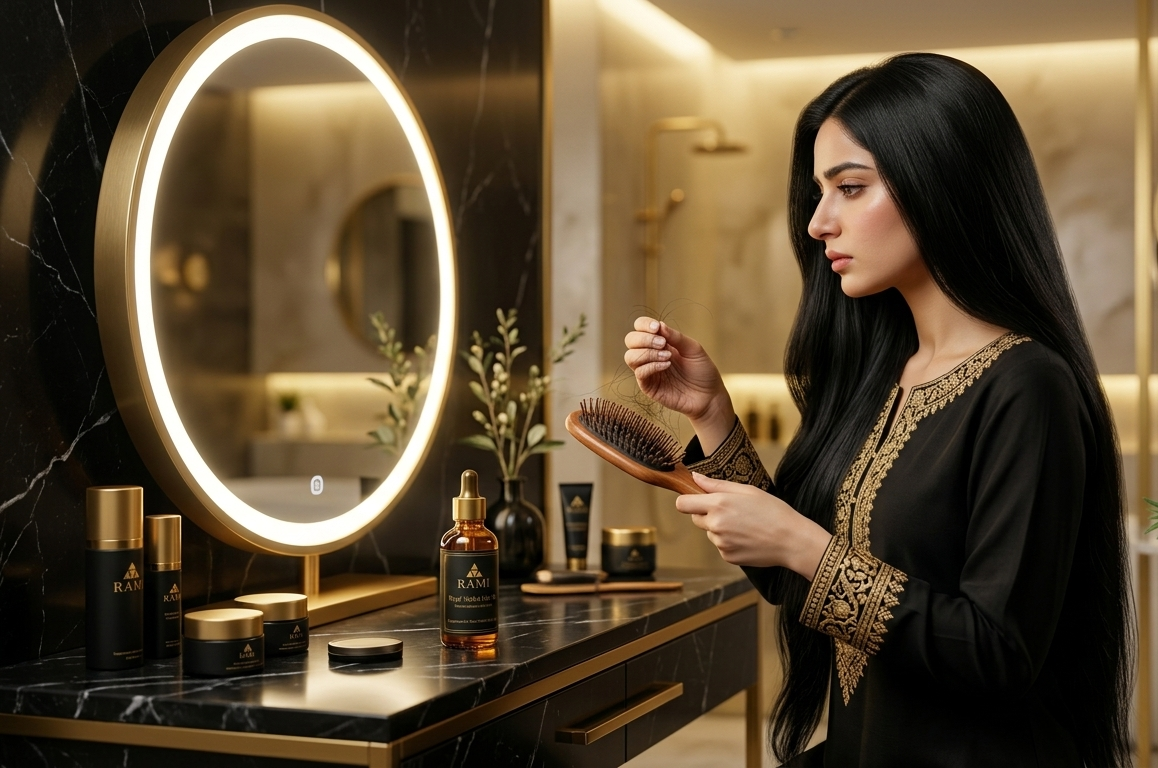
When internal resources run low, follicles divert energy away from non-essential growth phases.
The catch is that hair growth is not essential for survival. When the body senses a shortage of any critical nutrient, it prioritizes vital organs — the heart, brain, and immune system — and quietly diverts resources away from “non-essential” functions like hair production. This is why nutritional hair loss often appears gradually, sometimes months after the deficiency actually began, making it easy to misattribute the shedding to a new shampoo or a stressful week.
The 5 Most Common Nutritional Deficiencies That Cause Hair Loss
1. Iron (Ferritin)
Iron deficiency is one of the most well-documented nutritional causes of hair shedding, particularly in women. Iron is essential for producing hemoglobin, the protein that carries oxygen to tissues throughout the body, including the scalp. When iron stores drop, hair follicles receive less oxygen and nutrients, which can push more strands into the shedding phase.
Doctors typically look at ferritin, the protein that stores iron, as a more sensitive marker than standard iron levels. Research referenced by the Cleveland Clinic suggests that low ferritin levels are associated with diffuse hair thinning even before anemia becomes clinically apparent.
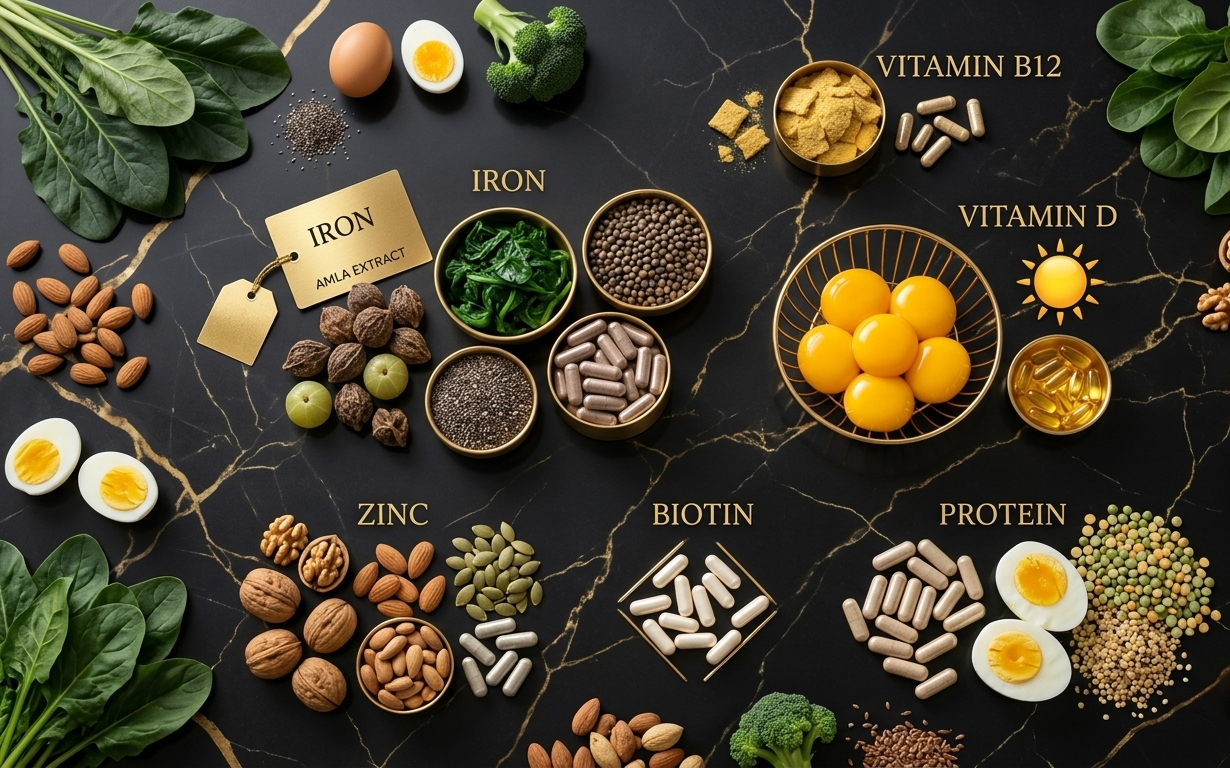
Targeted micronutrients are vital for cellular energy and structural protein synthesis in follicles.
2. Vitamin D
Vitamin D plays a direct role in the hair growth cycle, helping to stimulate new and existing hair follicles into the active growth phase. According to information published by the NHS, vitamin D receptors are present in hair follicle cells, and a deficiency can disrupt the natural cycling between growth and rest.
3. Zinc
Zinc supports tissue repair and protein synthesis, both of which are critical for follicle health. It also plays a role in regulating oil glands on the scalp, helping maintain a balanced environment for hair to grow. Low zinc levels have been linked to telogen effluvium, a type of diffuse shedding where more hairs than usual enter the resting phase simultaneously.
4. Protein
Hair is composed almost entirely of keratin, a protein. When dietary protein intake is insufficient — whether from restrictive dieting, low-calorie crash diets, or simply an unbalanced diet — the body cannot supply enough amino acids to keep up with hair production demands.
5. Biotin
Biotin has become a popular ingredient in hair supplements, but true biotin deficiency is genuinely uncommon in people who eat a varied diet. Healthline points out that most documented cases of biotin deficiency occur in people with specific genetic disorders, certain gut conditions, or those taking particular long-term medications.
Signs Your Hair Loss May Be Related to Nutrition
- Gradual, diffuse thinning rather than patchy bald spots.
- Increased shedding noticed during washing, brushing, or on your pillow.
- Hair that feels noticeably thinner, weaker, or more brittle than before.
- Fatigue, pale skin, or frequent dizziness alongside hair changes.
- Brittle or spoon-shaped nails.
- Recent rapid weight loss, restrictive dieting, or a major dietary change.
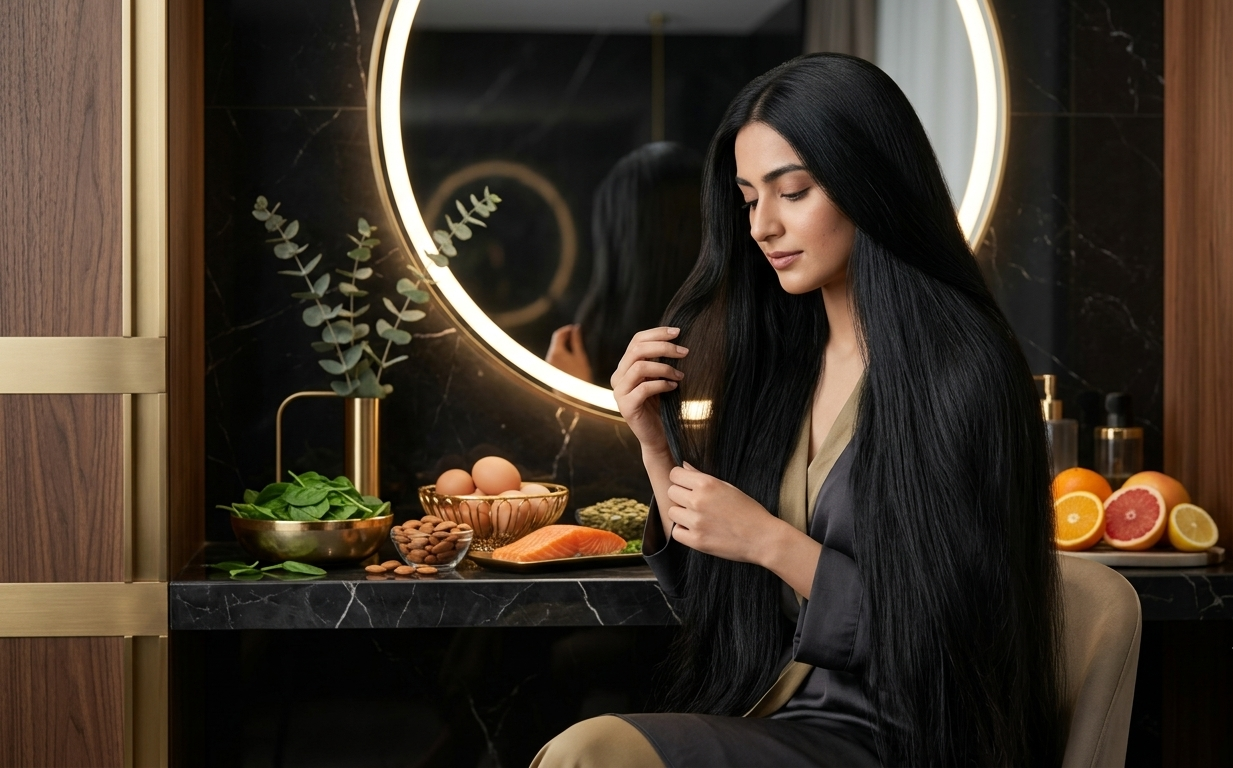
Combining internal nutritional adjustments with external care builds a resilient foundation for hair.
Internal vs. External Causes of Hair Loss
| Factor | Internal Causes | External Causes |
|---|---|---|
| Source | Nutritional deficiencies, hormonal imbalance, thyroid issues, genetics | Heat styling, harsh chemicals, tight hairstyles, pollution |
| Onset | Gradual, often diffuse | Localized, often near hairline or styling areas |
| Common Triggers | Iron, zinc, protein, vitamin D deficiency | Bleaching, frequent blow-drying, friction |
| Resolution Approach | Blood testing, diet correction, medical evaluation | Gentler hair care routine, reduced heat/chemical exposure |
| Hair Oil’s Role | Cannot resolve the underlying deficiency | Can help reduce friction, breakage, and dryness |
Everyday Foods for Healthy Hair Growth
Many of these essential nutrients are already part of everyday Pakistani meals. Daal (lentils), saag (leafy greens), eggs, yogurt, and chicken karahi can all contribute meaningfully to hair-supportive nutrition when eaten consistently as part of a balanced diet, rather than relying on a single “superfood”.
What Most People Get Wrong
- “Hair oils replace nutrition.” Topical products can support the scalp environment, but they cannot supply the internal nutrients a deficient body is missing.
- “Biotin fixes every hair problem.” True biotin deficiency is rare, and supplementing without a confirmed deficiency rarely produces meaningful results.
- “Supplements work even without a deficiency.” Taking iron or zinc supplements when levels are already normal doesn’t speed up hair growth and can cause harm.
- “Expensive shampoos solve nutritional hair loss.” No external product can correct an internal deficiency; both need to be addressed separately.
Healthy hair starts from the inside, but the right external care makes a real difference too. As you work on improving your diet and addressing any underlying deficiencies, consider adding Rami Hair Oil to your routine as a supportive step toward stronger, better-nourished hair — one part of a complete, balanced approach to hair care.
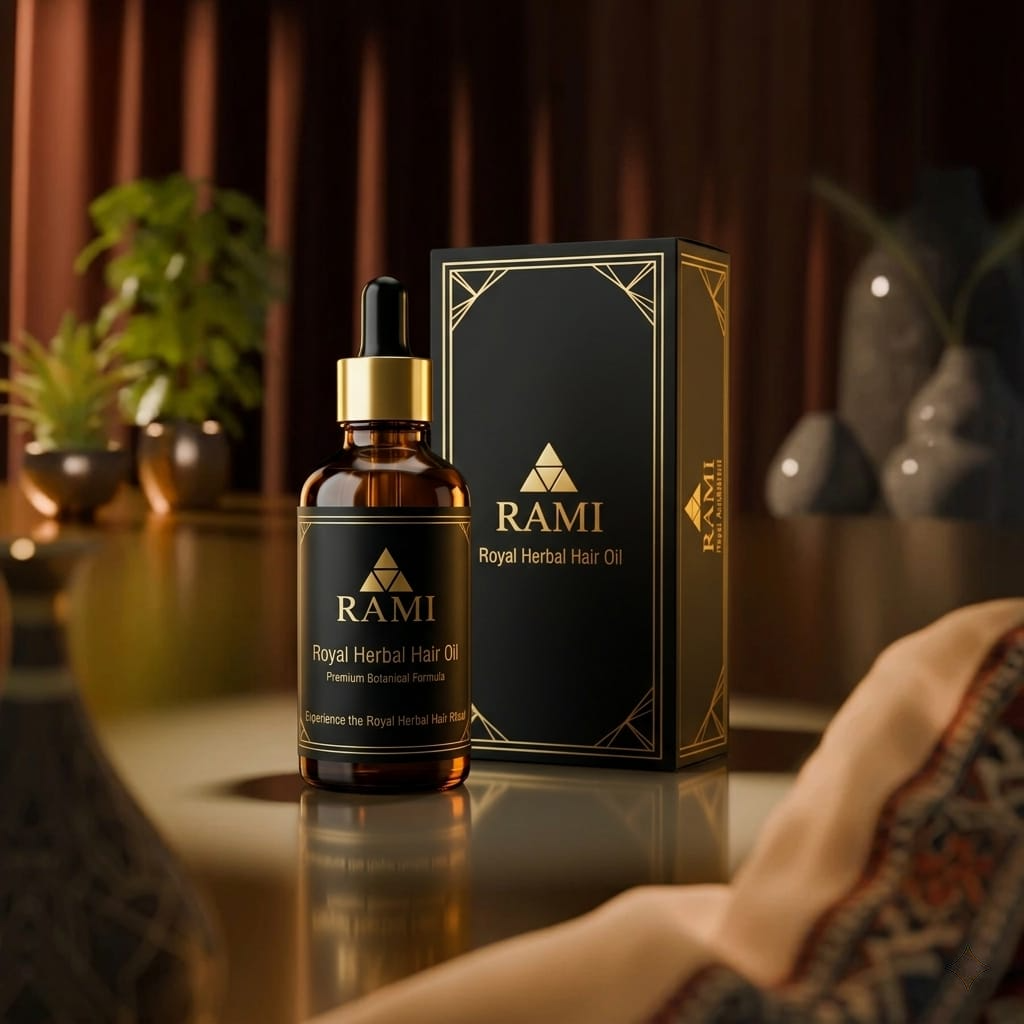
RAMI Premium Royal Herbal Hair Oil
Formulated with rare botanicals and cold-pressed oils, our flagship royal herbal hair oil deeply penetrates the scalp to strengthen hair follicles, eliminate frizz, and protect against environmental breakage.
- Deep scalp nourishment & follicle protection
- Reduces friction-induced breakage and split ends
- Lightweight, non-greasy traditional herbal blend