
With hundreds of herbal hair oils available in Pakistan, how do you know which one is actually worth buying? If you walk into any supermarket in Lahore, Karachi, or Islamabad, or scroll through your social media feed, you are bombarded with endless options. Every bottle claims to be an ancient secret, a herbal remedy, or a miracle elixir. Yet, most consumers evaluate their options using only surface-level metrics: price, bottle size, attractive packaging, and aggressive marketing campaigns.
Rarely do we look beyond the label to examine ingredient concentration, manufacturing processes, carrier oil stability, total transparency, or true scalp compatibility.
This guide is designed to change that. Whether you end up buying RAMI or another product entirely, this comprehensive buyer’s guide will equip you with the dermatologist-backed knowledge, cosmetic chemistry fundamentals, and analytical tools necessary to evaluate any herbal hair oil in Pakistan. You will learn how to distinguish between high-potency formulations and diluted oil blends so you can make an informed, value-driven choice for your hair care routine.
Why Choosing the Right Hair Oil Matters
Hair care in South Asia has been anchored in oiling (often called champi) for centuries. However, modern environmental stressors, diet shifts, and industrial cosmetic manufacturing mean that traditional practices require modern critical analysis. Applying the wrong oil—or a poorly formulated product—can degrade your hair quality and disrupt your scalp health.
Understanding the Hair Growth Cycle
To understand what a hair oil can and cannot do, you must understand the basic hair growth cycle. The human scalp houses approximately 100,000 follicles operating in three primary phases:
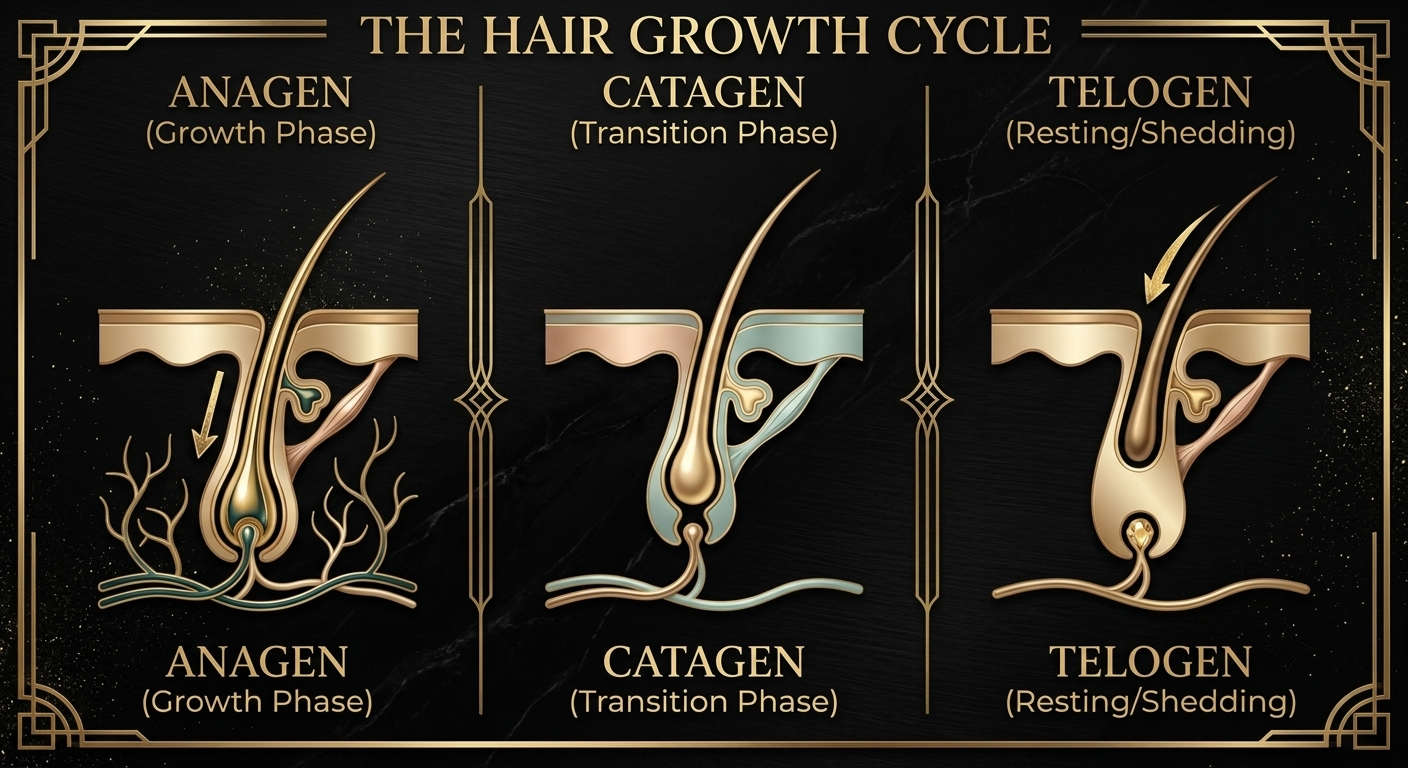
Visual breakdown of the human hair growth cycle: Anagen (Growth), Catagen (Transition), and Telogen (Resting).
- Anagen (Growth Phase): Lasts between 2 to 7 years. The cells in the root of the hair divide rapidly.
- Catagen (Transition Phase): Lasts 2 to 3 weeks. Growth stops, and the outer root sheath shrinks and attaches to the root of the hair.
- Telogen (Resting/Shedding Phase): Lasts around 3 months. The old hair rests while a new hair begins to grow beneath it, eventually causing the old hair to shed.
Topical applications like botanical oils work primarily by nurturing the scalp during the Anagen phase and preventing premature entry into the Telogen phase. They strengthen the hair shaft during growth to reduce breakage. No topical product can instantly multiply your follicles or turn back the clock overnight; real hair health requires alignment with your body’s natural physiological cycles.
Distinguishing Internal vs. External Causes of Hair Loss
Before investing in hair care products, it is vital to diagnose the root cause of your hair concerns. Hair issues generally fall into two categories:
Topical hair oils are engineered to combat external factors directly while providing an optimal scalp environment to support recovery from internal factors. Applying oil to damaged hair strands seals the cuticle and restores elasticity, preventing the snap-and-shed cycle known as hair breakage. However, if your hair loss is caused by severe internal deficiencies, oil must be paired with dietary and lifestyle adjustments.
7 Things to Check Before Buying Any Herbal Hair Oil
When searching for the best hair oil for hair fall or growth, marketing copy can easily mislead you. Here is an analytical, 7-point framework to evaluate any bottle of hair oil before spending your money.
1. Ingredient Quality over Quantity
A common marketing tactic in Pakistan is listing dozens of herbs on the front label—"Formulated with 30+ Rare Botanical Extracts!" In cosmetic formulation, more is rarely better.
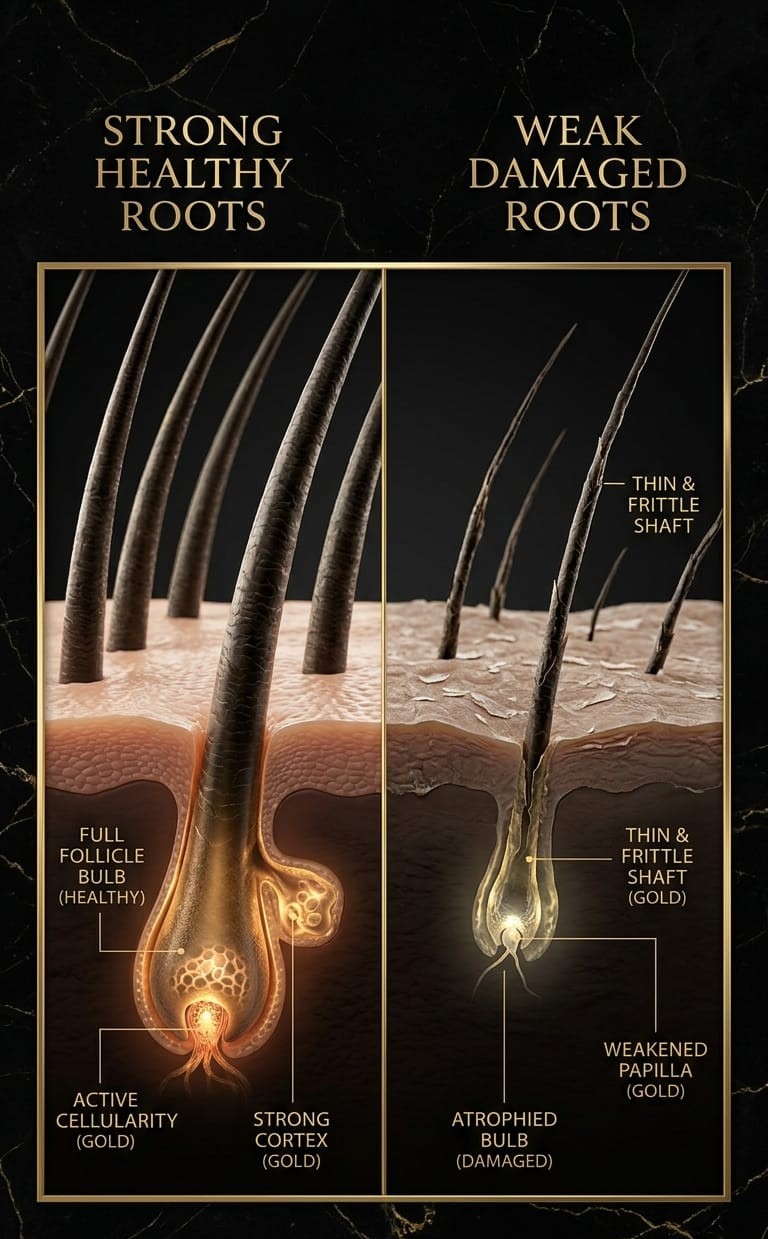
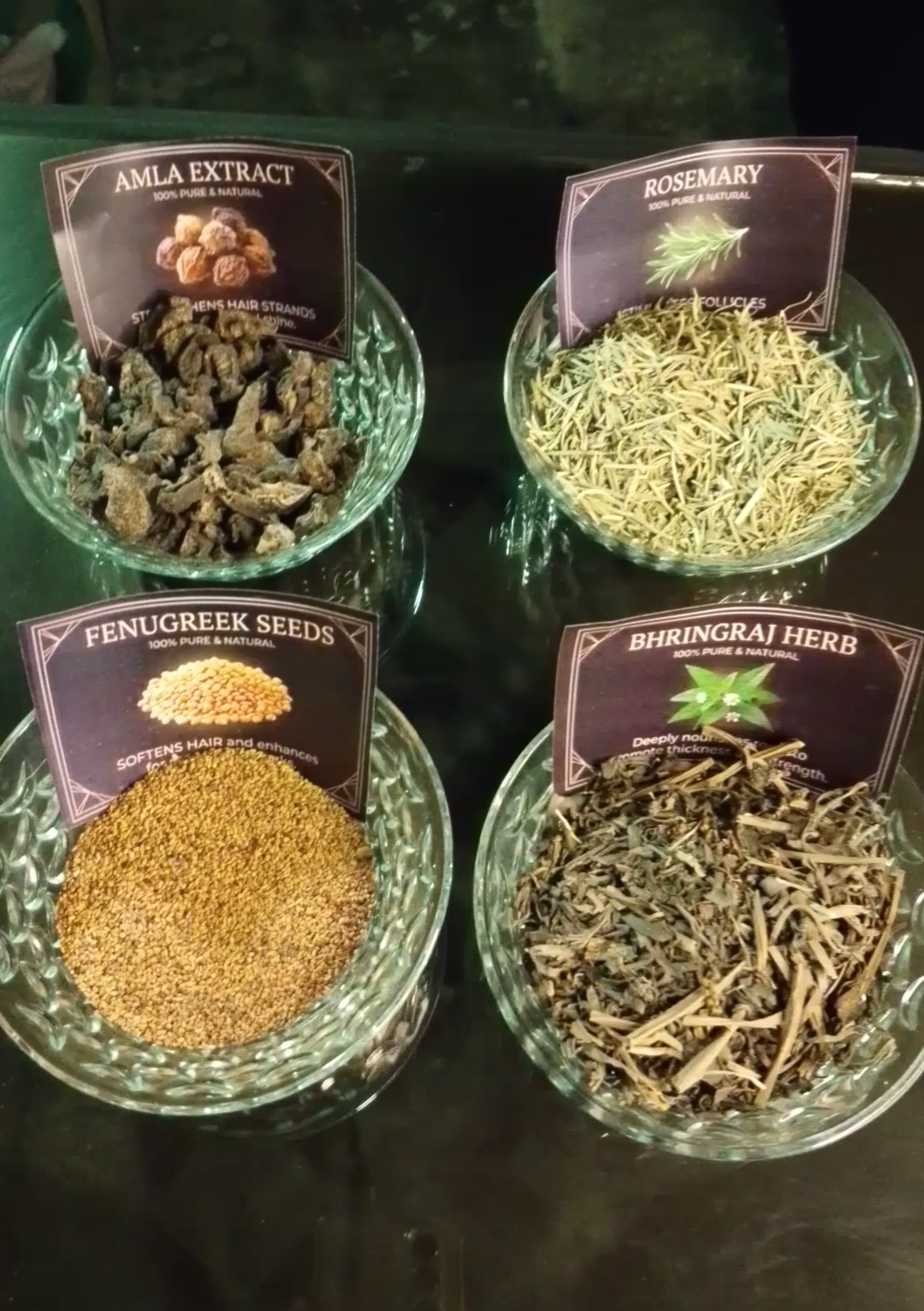
Pure, targeted botanicals and herbs carefully selected for high-potency infusion.
When a product contains 40 different ingredients, the percentage of each individual extract drops down to microscopic levels. This is known as "label dressing"—adding a tiny drop of an ingredient just to print its name on the box.
Instead, look for formulations that use a concentrated, targeted blend of 6 to 10 high-performance botanical oils and herbal extracts. High concentrations of proven, high-grade ingredients produce far better results than trace amounts of dozens of under-researched herbs.
2. The Manufacturing Process: Cold-Infused vs. Heat-Processed vs. Synthetic Bases
How an oil is made determines whether its bioactive nutrients remain alive or are destroyed during production:
- Heat Processing (High Thermal Extraction): Many commercial brands boil herbs in cheap base oils at high temperatures to speed up production. Excessive heat degrades delicate vitamins (like Vitamin E), oxidizes fatty acids, and destroys active phytochemicals like thymoquinone (in black seed) or rosmarinic acid (in rosemary).
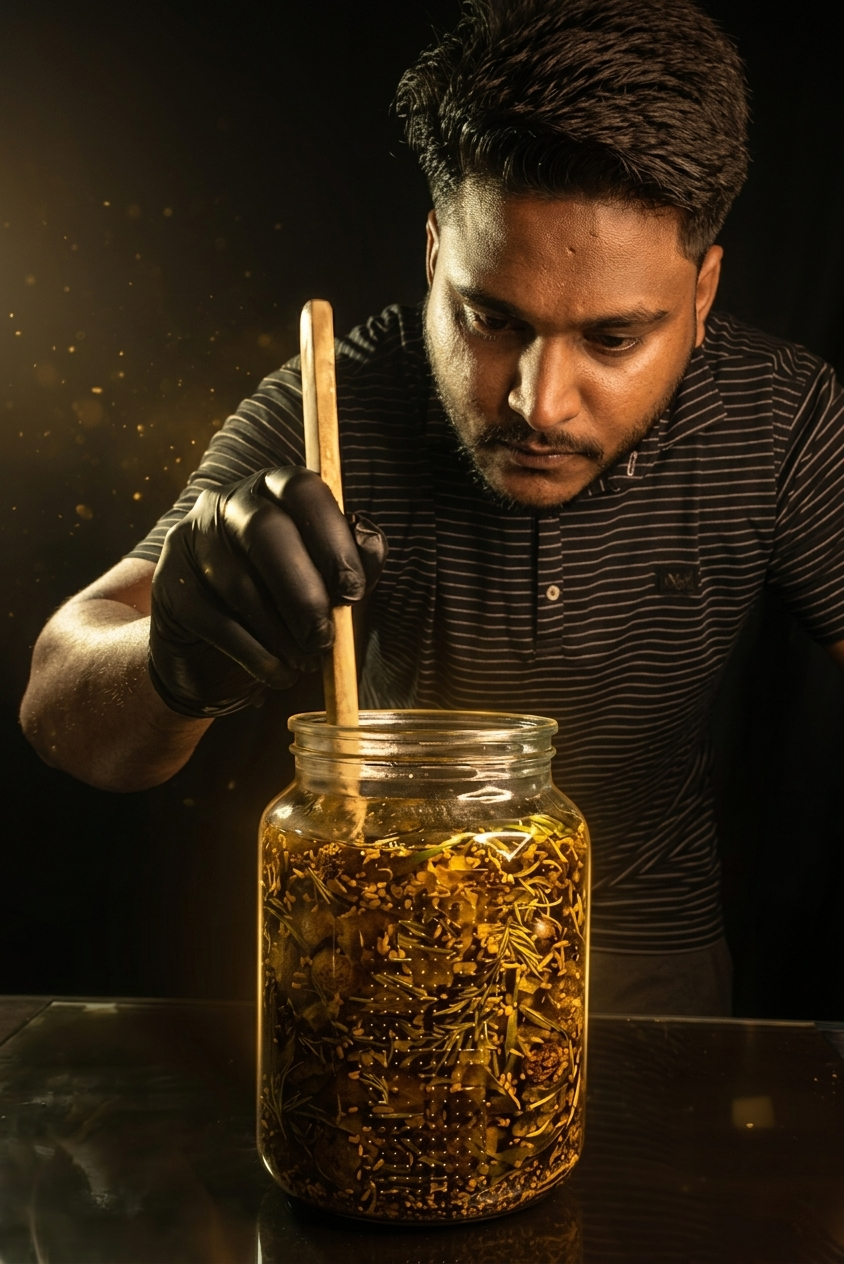
- Cold Infusion (Slow Botanical Extraction): This method involves steeping dried organic herbs in cold-pressed carrier oils over several weeks without external heat. The lipid-soluble compounds naturally leach into the oil, keeping the bioactive structure intact.
- Synthetic Base Fragrance Oils: These are cheap mineral or refined paraffin oils loaded with synthetic chemical aromas that mimic herbal smells. They offer zero therapeutic value to the hair shaft or scalp.
Always look for brands that explicitly state their extraction methods—preferably cold-pressed base oils combined with slow cold-infused herbal extractions.
3. Complete Ingredient Transparency
Turn the bottle over and read the full ingredient list (INCI list). Under international standards, ingredients must be listed in descending order of concentration.
Be cautious of brands that list ingredients as: "Contains Amla, Reetha, Shikakai, and Special Secret Base Oils." This phrasing often hides low-grade industrial fillers. A trustworthy brand lists every single component explicitly: e.g., Sweet Almond Oil, Castor Oil, Black Seed Oil, Rosemary Leaf Extract, Amla Extract. If a brand hides its base oil composition, it is usually because they are using cheap filler oils.
4. Bottle Packaging: Dark Glass vs. Clear Plastic
The container holding your oil is just as important as the oil itself. Botanical oils are organic materials high in unsaturated fatty acids. When exposed to light and oxygen, these oils undergo photo-oxidation—they go rancid, lose their nutrient profile, and generate free radicals that can irritate the scalp.
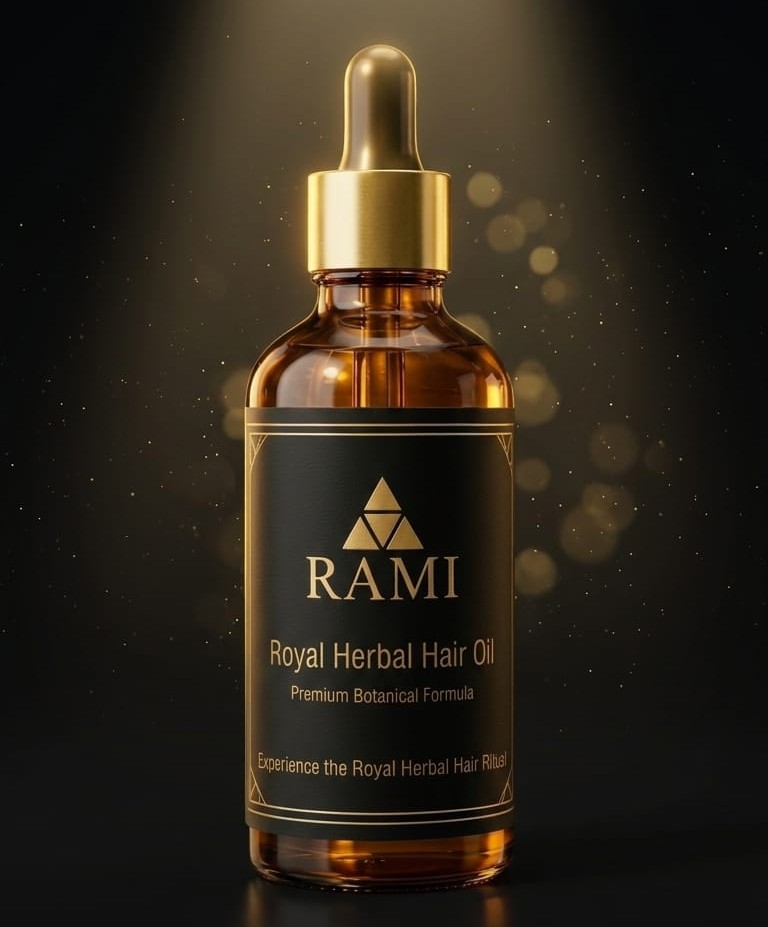
Amber or Dark Glass Bottles block harmful ultraviolet (UV) and visible light rays, keeping lipids stable and natural antioxidants preserved.
Clear Plastic (PET) Bottles allow light wavelengths to penetrate the oil, accelerating oxidation and chemical breakdown. Furthermore, essential oils can degrade certain plastics over time, leaching micro-plastics into the oil.
If a brand claims to sell high-potency, unrefined botanical oils in a clear, thin plastic bottle, its potency is likely compromised before you even open it.
5. Batch Consistency and Small-Batch Production
Industrial mass production often sacrifices quality control for speed. Large vats of oil processed in extreme volumes lead to variations in scent, color, and active nutrient density from bottle to bottle.
Small-batch manufacturing ensures that every run undergoes rigorous filtering, precise herbal steeping times, and strict microbiological and quality inspection. Look for brands that prioritize controlled batch releases over infinite mass production.
6. Brand Honesty and Realistic Expectations
Be skeptical of brands promising "Regrow 10,000 hairs in 7 days!" or "100% Guaranteed Stop to All Hair Fall Immediately!"
According to medical guidance, normal hair shedding ranges from 50 to 100 strands a day as part of the body’s natural cycle. No topical herbal formulation can stop normal biological shedding, nor can it revive dead follicles overnight.
A reliable brand uses evidence-backed explanations, sets realistic timetables for visible improvements (typically 8 to 12 weeks of consistent use), and educates customers on holistic hair maintenance rather than selling impossible quick fixes.
Ingredients That Matter Most
Different herbal ingredients serve different purposes. Here’s an advanced analytical breakdown of commonly used ingredients in herbal hair oils:
| Ingredient | Active Compound / Profile | Commonly Used For |
|---|---|---|
| Sweet Almond Oil | Rich in Vitamin E & Fatty Acids | Light emollient that softens hair & conditions scalp without heaviness |
| Castor Oil | High in Ricinoleic Acid | Thick, viscous oil used to coat strands and seal in moisture |
| Black Seed Oil | Contains Thymoquinone | Valued for potent antioxidant compounds in scalp-care |
| Fractionated Coconut Oil | Caprylic/Capric Triglycerides | Stable, lightweight plant oil that absorbs rapidly |
| Rosemary Extract | Rosmarinic Acid & Cineole | Provides a refreshing sensory effect and scalp stimulation |
| Amla (Indian Gooseberry) | High Vitamin C & Tannins | Traditional South Asian staple for antioxidant scalp defense |
| Fenugreek | Nicotinic Acid & Proteins | Used in traditional infusions for hair conditioning |
| Bhringraj | Eclalbastine & Wedelolactone | Renowned Ayurvedic herb for deep root nourishment |
It’s worth noting that the presence of an ingredient on a label doesn’t guarantee a meaningful concentration. The order ingredients are listed, and how transparent the brand is about proportions, tells you more than the ingredient name alone.
What Makes RAMI Hair Oil Different?
In a market saturated with mass-produced options and hyperbolic claims, RAMI was founded on a simple premise: uncompromising ingredient integrity and complete formulation transparency.
We designed RAMI around ingredient quality rather than bottle size. Rather than diluting our products to offer massive, cheap plastic bottles, we focus our resources on sourcing high-grade botanical ingredients, using slow cold-infusion methods, and packaging our oil to preserve its potency.
The RAMI Formulation Philosophy
- Intentionally Selected Base Lipids: We do not use cheap mineral oil, liquid paraffin, or heavy synthetic silicones. Our base consists of cold-pressed, light-absorbing plant oils—such as Sweet Almond and Fractionated Coconut—selected for their balance between deep penetration and easy washability.
- Slow Cold-Infusion Extraction: Our botanical ingredients—including Amla, Bhringraj, and Fenugreek—are infused slowly at low temperatures over extended periods. This patient, traditional method preserves delicate phytochemicals, active enzymes, and natural lipids that high-heat processing destroys.
- Batch-Controlled Production: Every batch of RAMI is prepared in limited quantities. This allows us to inspect, filter, and test every bottle for consistent texture, scent, and stability before it leaves our facility.
- Complete Ingredient Disclosure: We publish our full ingredient deck clearly on every bottle. We believe consumers in Pakistan deserve to know exactly what they are applying to their scalp and hair.
- Protective Amber Glass Packaging: RAMI is bottled exclusively in dark amber glass. This safeguards our active botanical extracts against photo-oxidation, keeping the product stable and effective from the first drop to the last.
Common Myths About Herbal Hair Oils
| Common Myth | The Scientific Fact |
|---|---|
| A bigger bottle means better value | Bottle size says nothing about ingredient quality or concentration — a smaller bottle of a well-formulated oil can outperform a large bottle of diluted oil. |
| More herbs in the ingredient list means a better oil | Quantity of ingredients matters less than quality, concentration, and how well they’re infused; some formulations work well with fewer, well-chosen ingredients. |
| Hair oil alone can regrow hair | Oil can support scalp condition and strand texture, but significant hair loss often has genetic, hormonal, or medical causes that oil alone cannot address. |
| Daily oiling gives faster results | Over-oiling can leave residue that attracts dirt and may clog follicles; most hair types benefit more from consistent, moderate use than daily application. |
Frequently Asked Questions
1. What is the best herbal hair oil in Pakistan?
There’s no single answer that applies to everyone, since the right oil depends on your hair type, scalp condition, and what you’re trying to address. The best approach is to evaluate any oil against the checklist covered in this guide: ingredient quality, transparency, and manufacturing process.
2. Can herbal hair oil stop hair fall completely?
No single product can guarantee a complete stop to hair fall, since hair fall can be influenced by genetics, hormones, nutrition, and health conditions. Herbal oil can support scalp health and strand condition, but significant or sudden hair loss is worth discussing with a dermatologist.
3. How often should I oil my hair?
Most hair types do well with oiling two to three times a week rather than daily. Over-oiling can leave residue on the scalp, which may attract dirt and make hair feel heavier rather than healthier.
4. Is cold-infused hair oil better than regular hair oil?
Cold infusion is generally considered gentler on delicate herbal compounds compared to high-heat extraction, which can degrade some active ingredients. That said, the overall formulation and ingredient quality still matter as much as the infusion method.
Conclusion: Choosing the Best Herbal Hair Oil in Pakistan
Choosing the best herbal hair oil in Pakistan isn’t about finding the biggest bottle or the lowest price. It is about understanding the ingredients, the formulation process, and the manufacturing standards behind every drop.
When you evaluate a hair oil by its fatty acid profile, cold-infusion methods, and packaging integrity, you move past marketing hype and make choices that truly support long-term hair and scalp health.
At RAMI, we believe quality should never be compromised. We formulate our products around cold-pressed carrier oils, slow-infused traditional herbs, and protective dark glass packaging—giving your hair the targeted nourishment it deserves.
Explore our carefully formulated RAMI Royal Herbal Hair Oil and discover the difference that thoughtful formulation can make to your hair care routine.
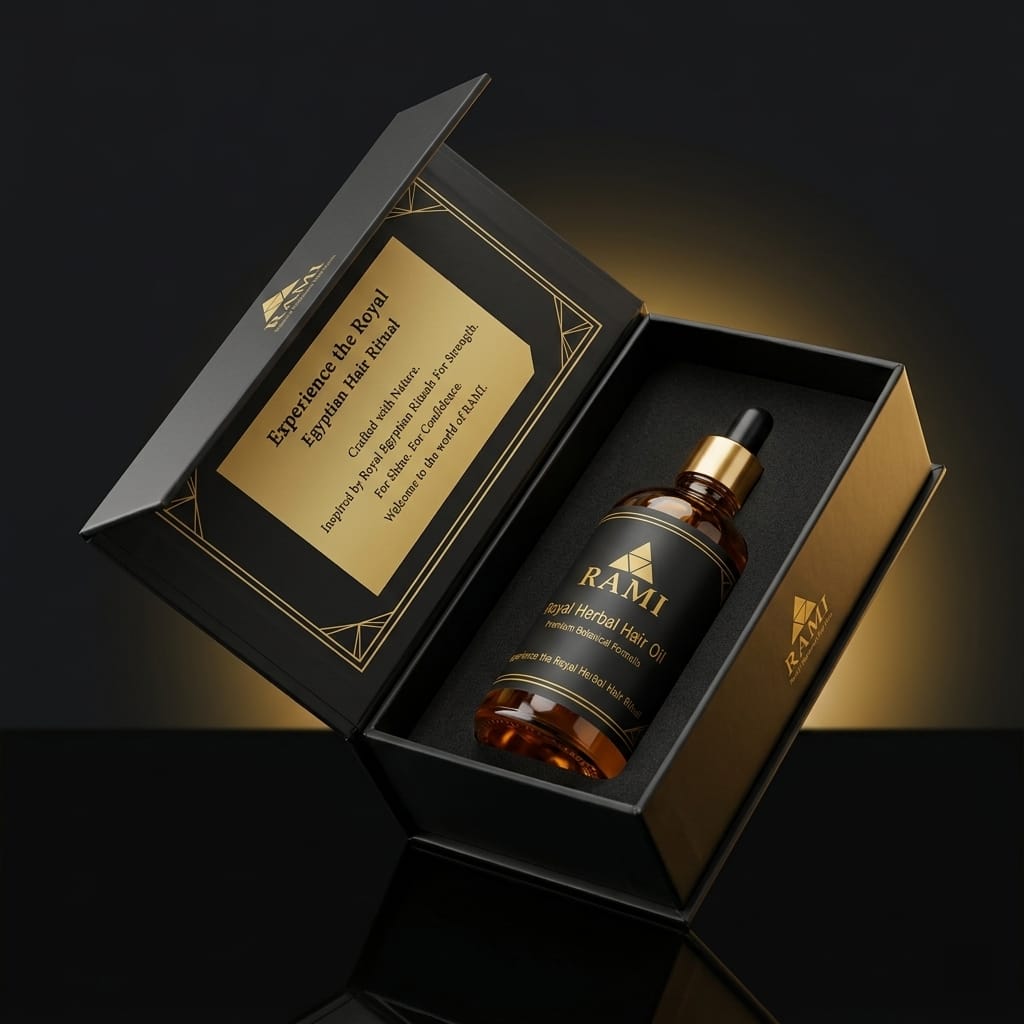
RAMI Premium Royal Herbal Hair Oil
Formulated with rare botanicals and cold-pressed oils, our flagship royal herbal hair oil deeply penetrates the scalp to strengthen hair follicles, eliminate frizz, and promote luxurious, radiant length.
- Deep scalp nourishment & root strengthening
- Controls frizz and adds natural mirror-like shine
- Lightweight, non-greasy everyday formula