

Your hair looks fine. It’s not visibly damaged, it’s not falling out in clumps, and you’re using the same routine you’ve always used. But it’s been the same length for months. Maybe longer.
You trim the ends and it seems to go backward. You’ve tried new oils, new shampoos, new vitamins — and it still won’t budge past a certain point. If your hair has stopped growing, the reason is almost certainly not your products.
This is one of the most common and most misunderstood hair concerns — because the problem is usually invisible. It’s not happening at the ends of your hair. It’s happening at the scalp, inside the follicle, inside a growth cycle that’s quietly stalling. Understanding why is the only way to do something useful about it.
What Actually Controls How Long Your Hair Can Grow
Every hair follicle has a genetically programmed anagen phase — the active growth period. This is what determines your hair’s maximum potential length, sometimes called terminal length. For some people, the anagen phase lasts six or seven years, producing hair that can grow past the waist. For others, it’s two to three years, which means hair that naturally reaches shoulder length and then sheds.
This is biology, not failure. But several factors can shorten the anagen phase below its genetic potential — and that’s where the real problem usually lives.

Anagen phase length directly determines your maximum potential hair length.
Anagen Phase Length vs. Maximum Hair Growth Potential
| Anagen Phase Length | Maximum Hair Growth Potential | Visible Length Outcome |
|---|---|---|
| 2 years | ~24 cm | Shoulder-ish |
| 3 years | ~36 cm | Collar bone |
| 5 years | ~60 cm | Mid-back |
| 7 years | ~84 cm | Waist and beyond |
If your natural anagen phase is on the shorter end, you’ll hit your length ceiling regardless of what you do. But most people with growth concerns are not hitting a genetic ceiling — they’re cutting their anagen phase short through fixable causes.
Real Reasons Your Hair May Have Stopped Growing
- Nutritional deficiency (Internal): Low iron (ferritin), vitamin D, zinc, or biotin can shorten the anagen phase. Hair follicles are metabolically active and need steady micronutrient supply to maintain proper growth.
- Hormonal imbalance (Internal): Thyroid issues, elevated androgens (DHT), PCOS, or post-pregnancy changes can disrupt the hair cycle and reduce active growth duration.
- Chronic stress & poor sleep (Internal): High cortisol levels interfere with follicle activity, pushing hair into shorter growth cycles and causing early shedding.
- Mechanical & heat damage (External): Heat styling, tight hairstyles, and chemical treatments cause micro-damage in the hair shaft, leading to breakage before full length is achieved.
- Dry, neglected scalp (External): Product buildup, poor circulation, and dryness weaken the scalp environment, slowing follicle efficiency and reducing growth quality.
- Split ends traveling up (External): Split ends gradually move upward along the hair shaft, causing progressive breakage and loss of visible length even while growth continues.
What Actually Helps When Hair Has Stopped Growing
- Get a basic blood panel first: If growth has genuinely slowed, check ferritin (stored iron), vitamin D, zinc, and thyroid (TSH). These are the four most common internal causes — and all are correctable.
- Trim split ends regularly: A small trim every 8–10 weeks prevents upward breakage. Avoiding scissors entirely because you want to grow hair longer often results in net length loss.
- Reduce heat styling significantly: If you’re heat styling more than twice a week, mechanical damage is likely outpacing growth.
- Invest in scalp health consistently: Scalp massage, appropriate cleansing, and a well-formulated herbal oil applied regularly improve circulation and the follicle environment.
- Fix the diet before the shelf: Eggs, lentils, leafy greens, meat, and dairy — Pakistani cuisine has everything the hair follicle needs. Eating consistently matters more than any supplement.
- Sleep better — not optionally: Growth hormone is released primarily during deep sleep. Consistently sleeping late and short is a direct brake on the anagen phase.
Where Scalp Oiling Fits and What It Actually Does
A good herbal oil doesn’t magically extend your anagen phase. But it does something genuinely useful: it supports the scalp environment in which your follicles are trying to do their work.
Rami Hair Oil is a cold-infused herbal blend — not heat-processed — which means the active properties of ingredients like bhringraj, amla, fenugreek, and rosemary are better preserved in the final oil. The carrier base of almond, coconut, castor, kalonji, and olive oil provides the scalp with consistent nourishment without heavy buildup.
Used two to three times a week with a slow, five-minute scalp massage, it improves local circulation, reduces scalp dryness, and creates a better environment for follicles to complete their full growth cycles. It also coats the hair shaft lightly, reducing moisture loss that leads to brittle ends.
Frequently Asked Questions
Can hair actually stop growing permanently?
True permanent growth stoppage is rare and usually associated with specific medical conditions like scarring alopecia. Most cases of “stopped growing” are either shortened anagen phases due to fixable causes, or length retention failure due to breakage.
Why does my hair grow in some seasons and stall in others?
Hair growth is slightly faster in warmer months due to increased circulation and vitamin D exposure. More significantly, seasonal stress patterns — exam seasons, Ramadan, winter schedule changes — can affect growth cycles.
Does oiling the scalp actually make hair grow faster?
Oiling doesn’t directly speed up growth rate, which is determined by genetics and internal health. What it does is improve the scalp environment, support follicle nourishment, reduce inflammation, and improve circulation when combined with massage.
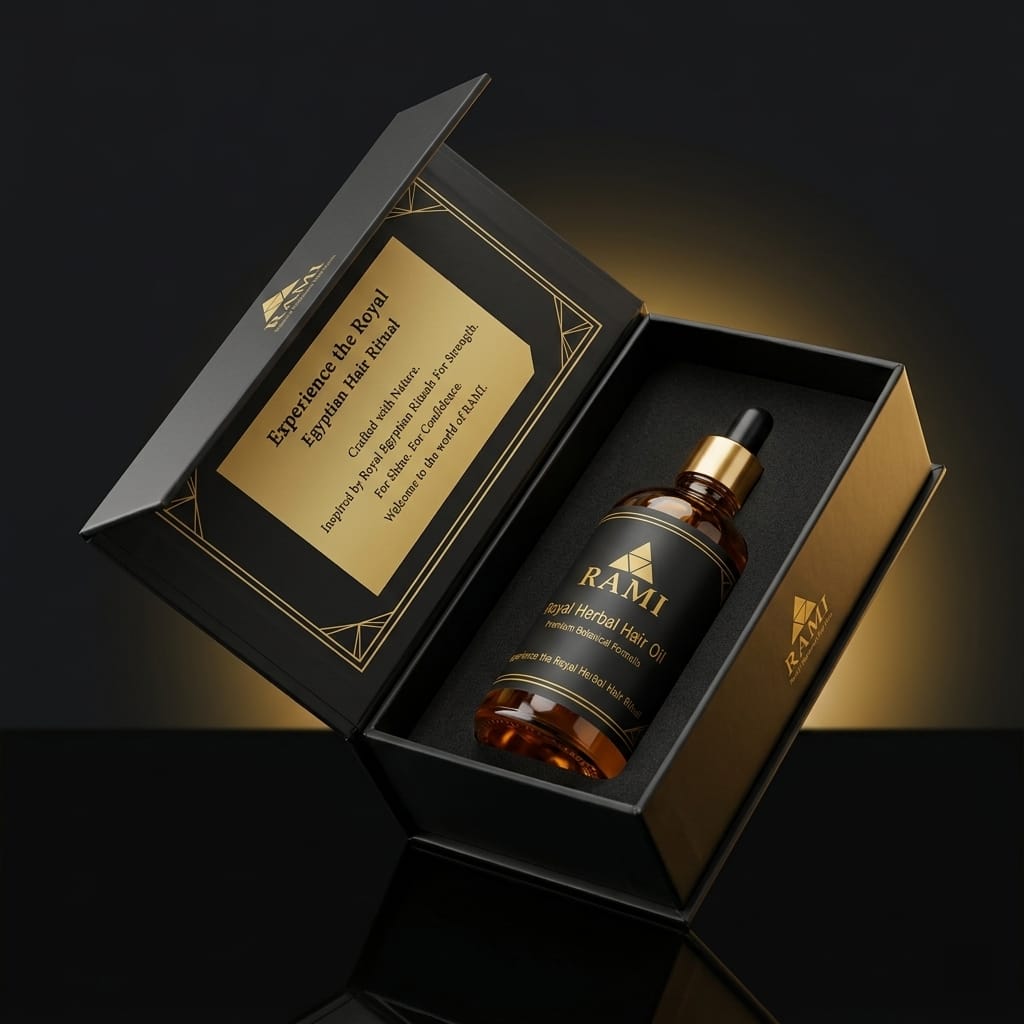
Rami Royal Herbal Hair Oil
₨2,999.00 ₨2,499.00
Cold-infused with precious herbs like bhringraj, amla, and rosemary to nourish your scalp, support follicle health, and prevent length-stunting breakage.
- Cold-infused traditional botanical formula
- Improves scalp circulation & follicle environment
- Reduces moisture loss and brittle split ends