
When people shop for hair oil, they usually look at the front label. But the real story is what happens before the oil reaches the bottle.
At Rami Hair Oil, we believe quality doesn’t come from adding dozens of trendy ingredients or making bold promises. It comes from choosing proven ingredients and giving them time to work together naturally.
That’s why every bottle of Rami Hair Oil starts with carefully selected oils and herbs, combined through a slow infusion process designed to preserve their natural properties.
Why We Chose a Blend Instead of a Single Oil
Many hair oils rely on just one ingredient. The problem is that no single oil can address every aspect of hair care.
Some oils are excellent for hydration. Others help improve softness, while some are traditionally used to support scalp health and stronger-looking hair. That’s why Rami Hair Oil combines multiple oils that complement each other.
The Foundation: Five Nourishing Base Oils
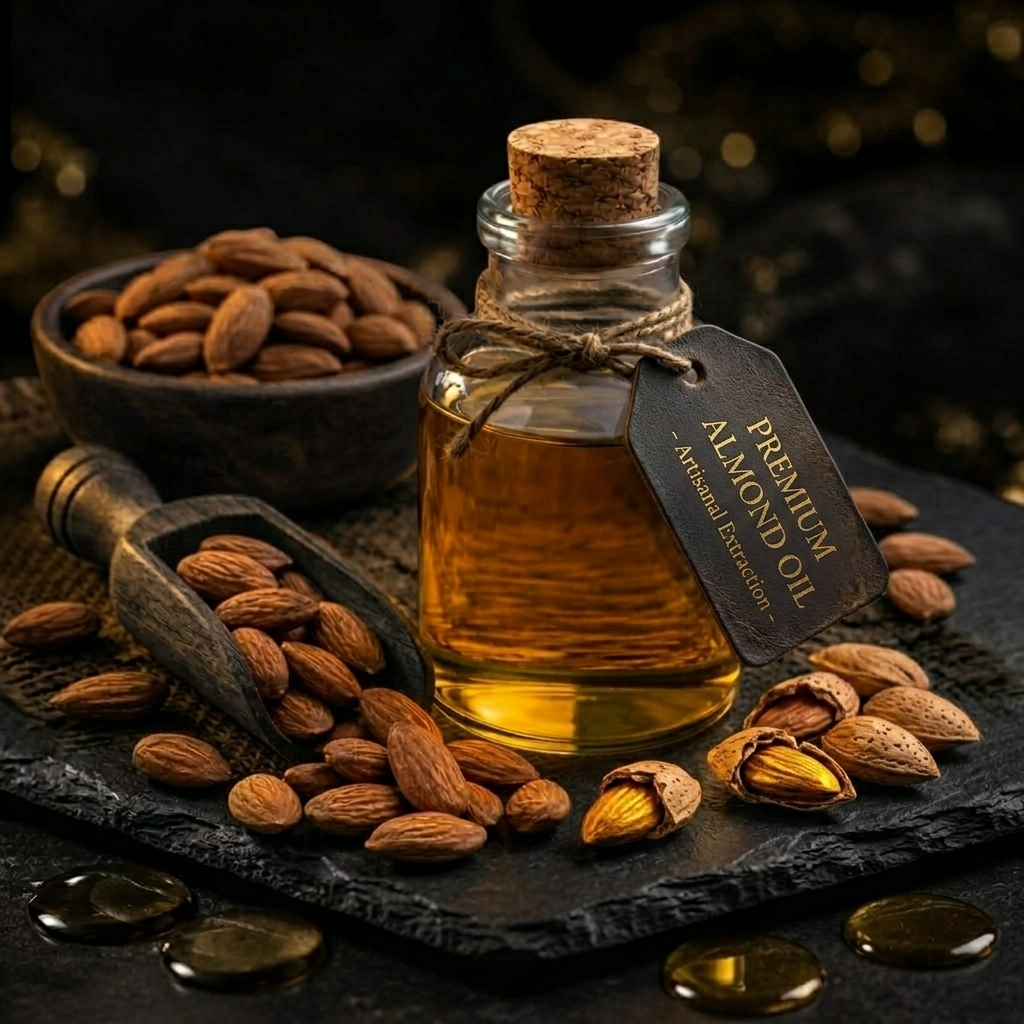
Sweet Almond Oil
Known for its lightweight feel and natural shine-enhancing properties, sweet almond oil helps leave hair feeling softer and smoother without excessive heaviness.
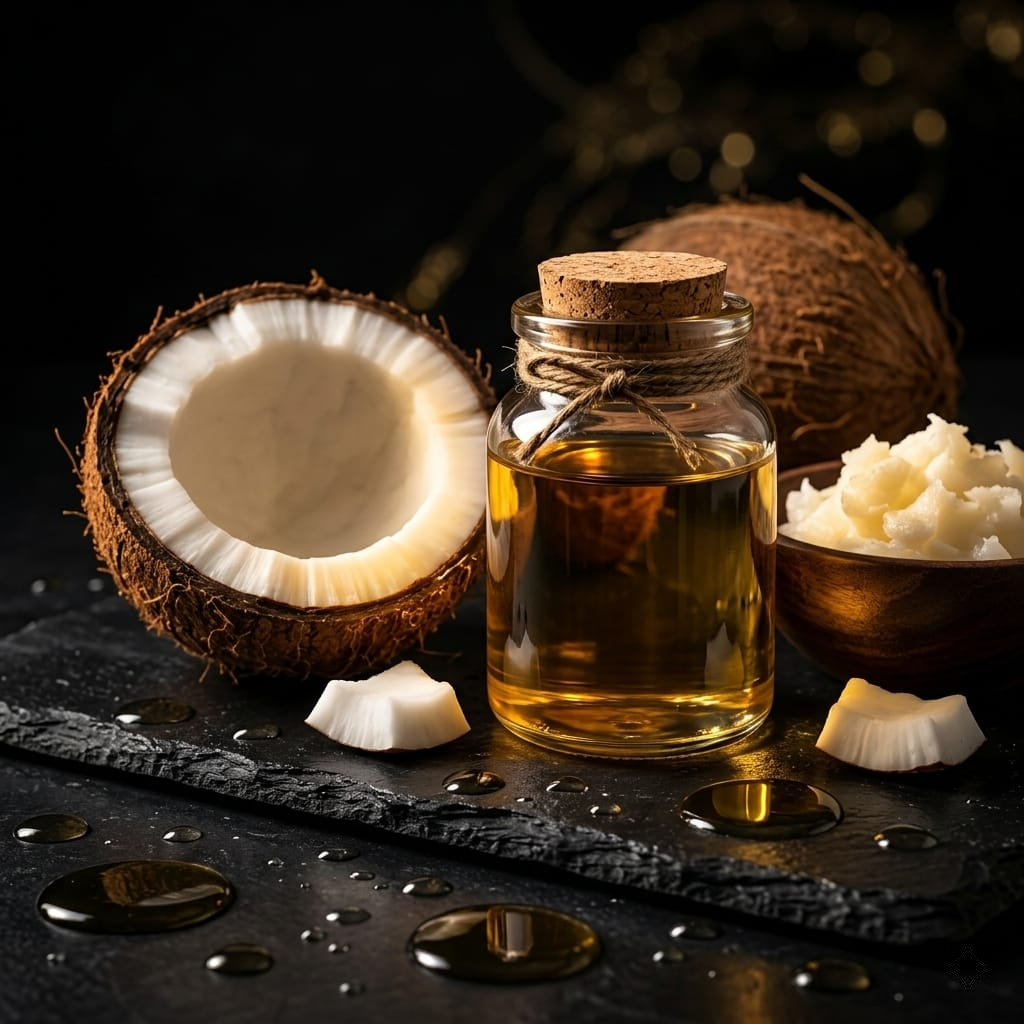
Coconut Oil
Coconut oil has been used for generations in hair care routines. It helps support moisture retention and can reduce the appearance of dryness and roughness.
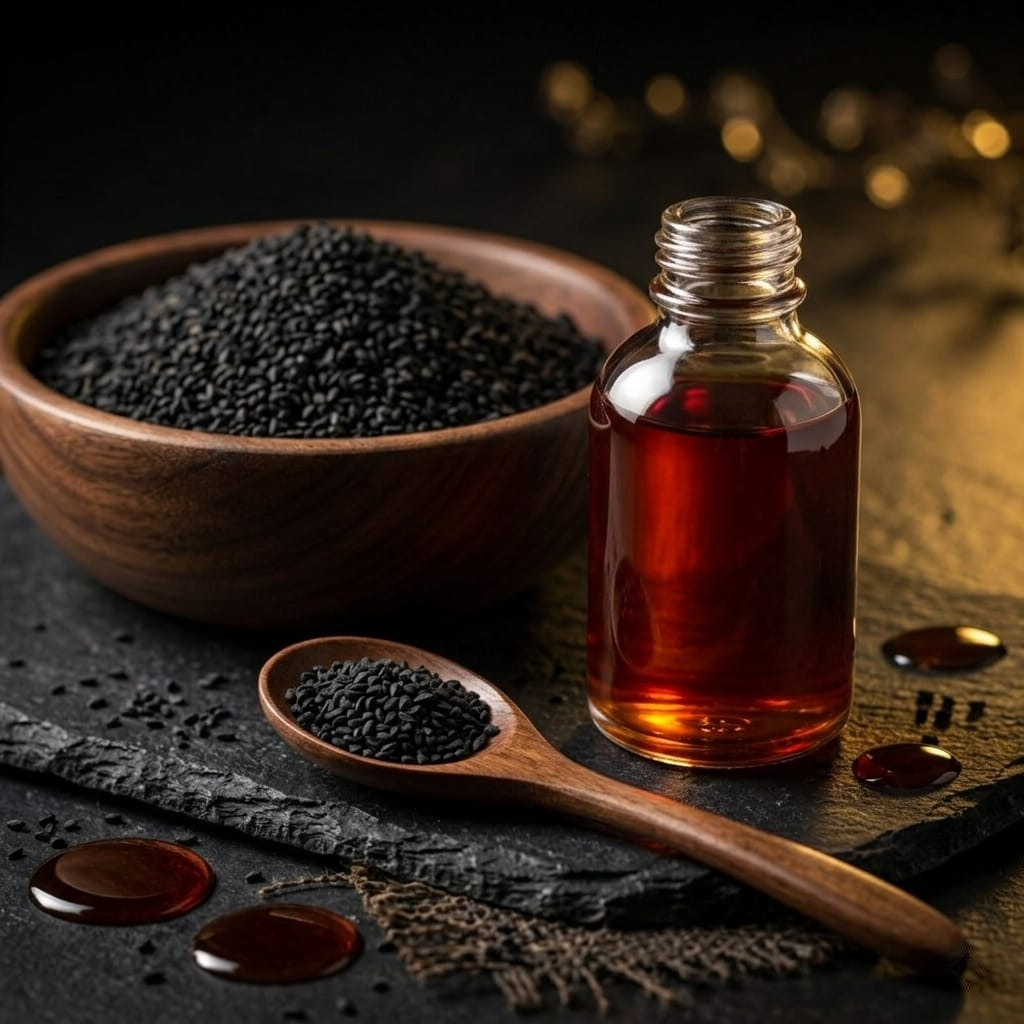
Black Seed (Kalonji) Oil
Kalonji oil has a long history in traditional beauty practices. It is often included in hair care routines focused on scalp nourishment and reducing the appearance of excessive shedding.
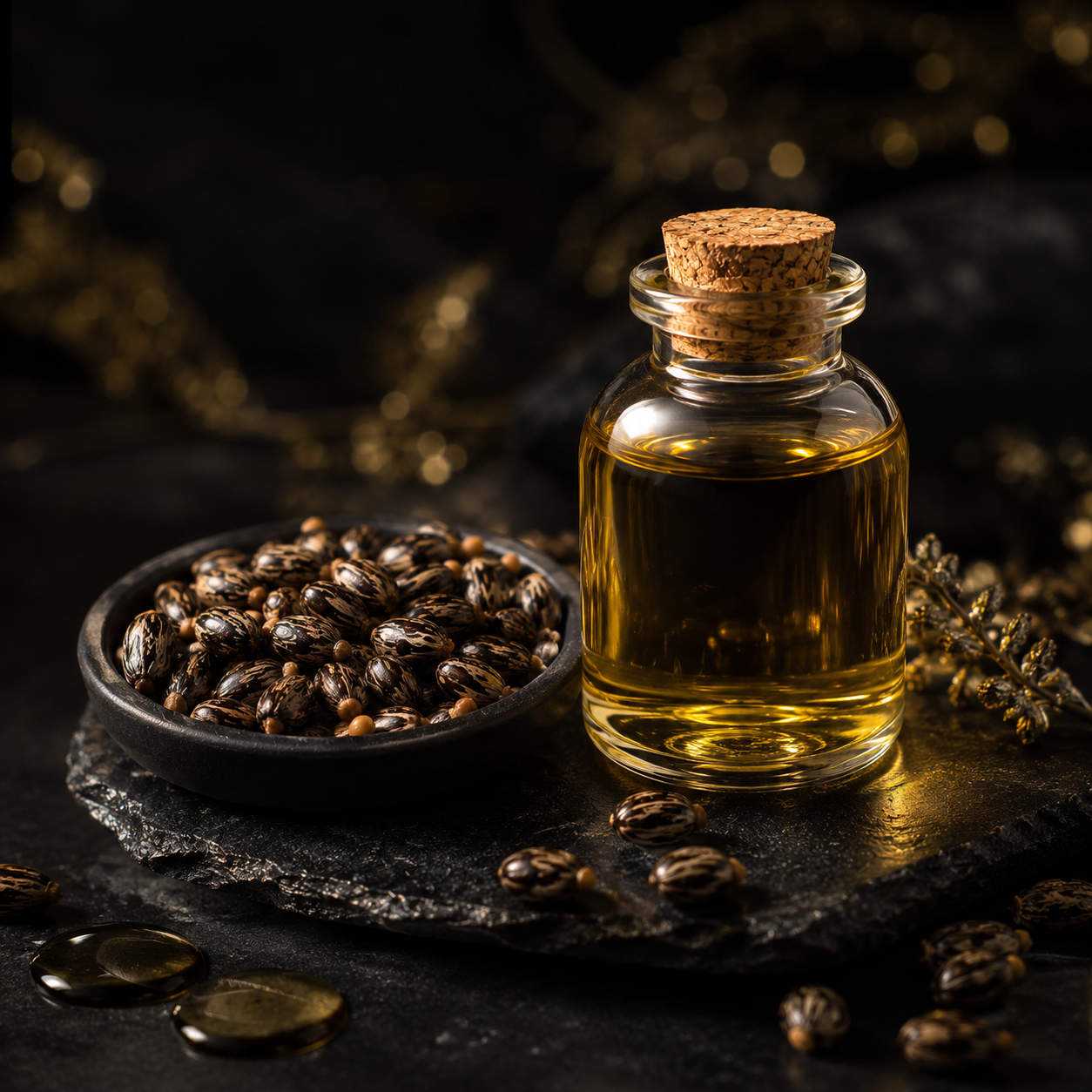
Castor Oil
Castor oil is valued for its thick texture and its ability to coat the hair shaft, helping hair appear fuller and stronger.
The Herbal Infusion Behind the Formula
A quality hair oil is not only about the oils themselves. The herbs matter too. Instead of simply mixing herbal extracts into the formula, selected herbs are slowly infused into the oil blend.
- Dry Amla: A trusted ingredient in South Asian hair care traditions for centuries, commonly used to support stronger-looking hair and improve overall hair vitality.
- Fenugreek (Methi): Often associated with smoother, shinier hair and improved moisture retention.
- Bhringraj: Often called the “King of Herbs” for hair care, Bhringraj has a long-standing reputation in traditional herbal practices focused on healthy hair growth.
- Rosemary: Widely recognized for its refreshing aroma and its association with scalp stimulation and circulation support.
Our Slow Cold Infusion Process
This is where Rami Hair Oil differs from many mass-produced alternatives. When most hair oils are produced commercially, heat is applied to speed up the infusion. It’s faster. It’s cheaper. But heat degrades volatile plant compounds.
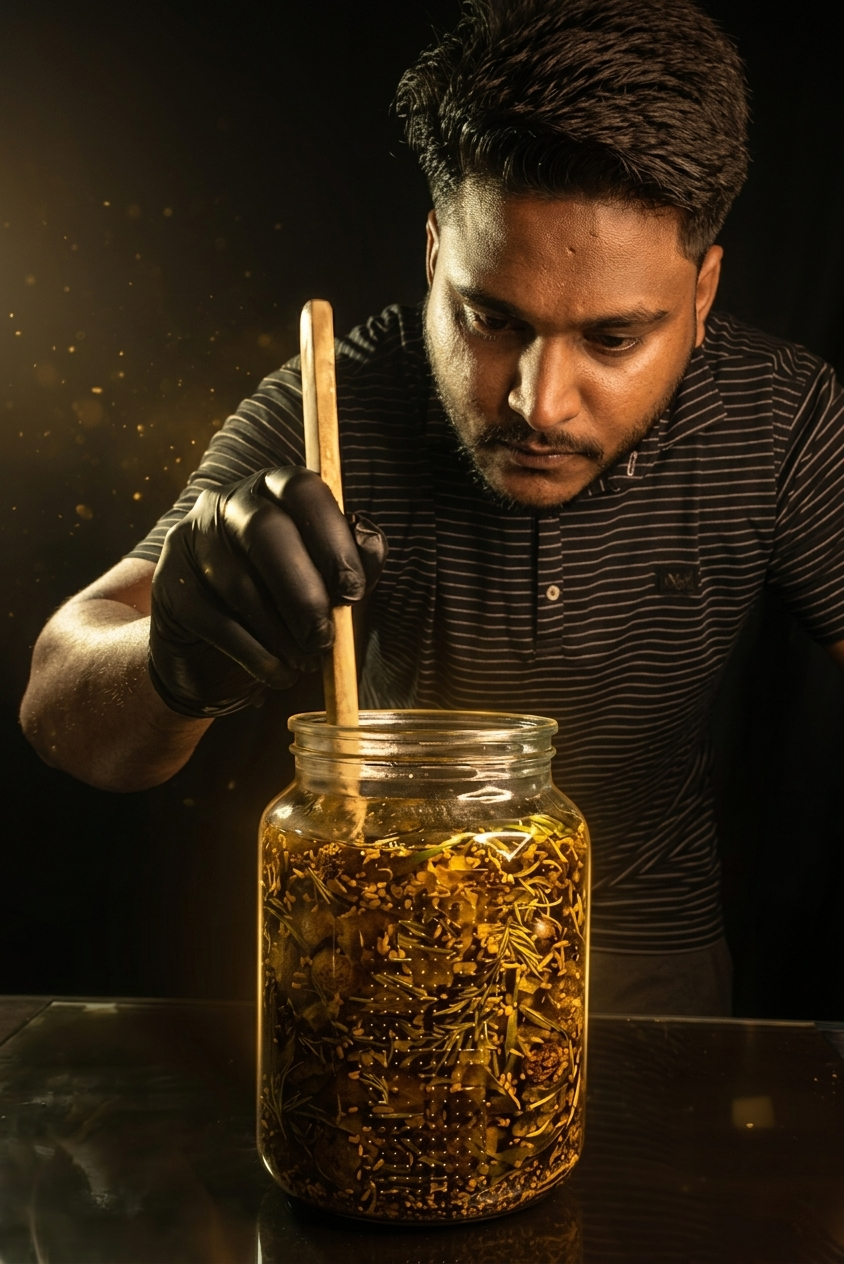
Our slow cold infusion ensures herbs release their active properties gradually without high-temperature degradation.
- Herbs combined at low temperature: No heat shortcuts. Herbs are introduced to the oil blend to begin their natural infusion.
- The mixture rests over an extended period: Days, not hours. This allows herbs to gradually release active compounds at their own pace.
- No excessive agitation or heat intervention: The process is intentionally unhurried. Patience is the actual active ingredient here.
- Filtered and preserved with Vitamin E: Carefully filtered and stabilized with Vitamin E to maintain maximum freshness.
Why this matters: The slow cold infusion method is rooted in how traditional herbal oils were always made — before mass production changed the equation. It’s not a marketing concept. It’s just the slower, less economical way to do things properly.
Frequently Asked Questions
What makes Rami Hair Oil different from regular hair oils?
Most commercial hair oils rely on a single base oil, synthetic fragrance, and minimal herbal content processed quickly with heat. Rami Hair Oil uses a blend of five carrier oils, traditional herbs, and a slow cold infusion method that preserves herbal content more effectively.
Why is cold infusion better than heating herbs?
Heat speeds up production but degrades the volatile compounds in herbs that give them their traditional value. Cold infusion allows herbs to release their properties gradually without breaking them down.
What ingredients are used in Rami Hair Oil?
Rami Hair Oil contains five base oils — sweet almond, coconut, castor, black seed (kalonji), and olive oil — along with a herbal infusion of amla, fenugreek, bhringraj, rosemary, and curry leaves. Vitamin E is added as a natural preservative.
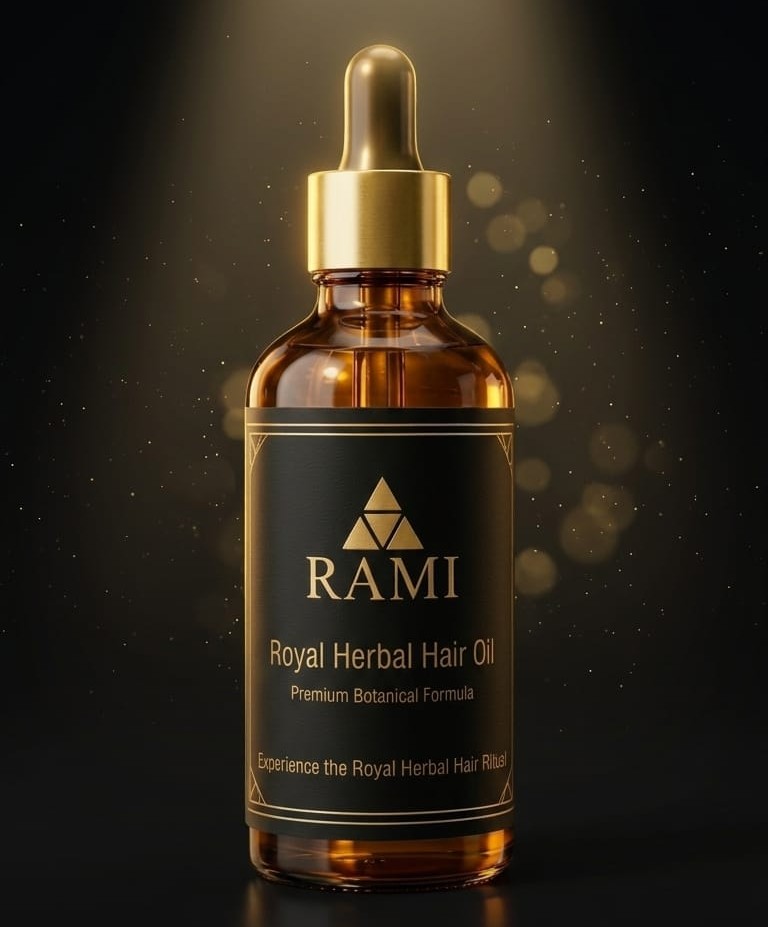
Rami Royal Herbal Hair Oil
₨2,999.00 ₨2,499.00
Carefully crafted with five base oils, precious traditional herbs, and our signature slow cold infusion process for unmatched hair and scalp nourishment.
- Five nourishing base oils (Almond, Coconut, Castor, Kalonji)
- Slow cold-infused with Amla, Bhringraj, Fenugreek & Rosemary
- Stabilized with natural Vitamin E for ultimate freshness